If you own a horse property or acreage home in Cave Creek, you already know this is not a one-size-fits-all sale. Buyers are not just comparing square footage. They are looking at usable land, horse rights, trail access, water, access roads, and how the property supports the lifestyle they want. A smart listing strategy can help you present those details clearly, price with confidence, and avoid surprises once your home hits the market. Let’s dive in.
Start With the Property Facts
Before you think about photos, pricing, or marketing language, confirm what your property actually offers on paper. In Cave Creek, that matters because horse and livestock rights are tied to Desert Rural zoning and at least two contiguous acres.
If you plan to market your home as horse-ready, verify the parcel details, zoning, and any easements before launch. This step helps you avoid overstating the property and gives buyers clear answers from the start.
Check zoning and acreage first
The Town of Cave Creek notes that many residential areas are in Desert Rural zones. It also states that ranching and keeping horses or other livestock is a right for owners of at least two contiguous acres in a DR zone.
That means your listing should be precise. Instead of using broad phrases like “room for horses,” your strategy should confirm whether the zoning and parcel size support that use.
Review trails, easements, and access
Many Cave Creek properties abut or are crossed by trails, and the town’s trail network connects to major outdoor destinations including Cave Creek Regional Park, Spur Cross Ranch Conservation Area, the Tonto National Forest, the Maricopa Trail, and Desert Foothills Land Trust properties. For the right buyer, that connection can be a meaningful part of the value story.
At the same time, access and use details matter. The town also notes that motorized vehicles are prohibited on trails or in washes, so it is important to understand how your parcel relates to nearby trail systems and what that means in practical terms.
Gather Utility and Land Documents Early
Acreage buyers tend to ask more detailed questions than buyers of a typical subdivision home. If you can answer them early, your listing feels more credible and your escrow is usually smoother.
The best time to collect those details is before the home goes live. That way, your marketing can be accurate and your showing conversations can be more productive.
Clarify water service
Water is one of the first questions many buyers ask about acreage property. In the Cave Creek area, some homes are served by town water, while some isolated or unincorporated areas may rely on private domestic wells.
Maricopa County notes that owners are responsible for well safety where a private well is in use. The Town of Cave Creek also states that its primary drinking water source is the Colorado River through CAP and has warned of a possible 25% reduction in allocation by 2027, which makes water-source clarity even more important in buyer conversations.
Confirm septic or onsite wastewater status
If your property uses septic or another onsite wastewater system, gather those records early. Maricopa County handles onsite wastewater forms, including septic applications and notices of transfer.
Having those documents ready can help buyers understand the property more quickly. It can also reduce delays when escrow opens.
Check floodplain and wash exposure
Wash crossings, low-lying ground, and rural drainage patterns can affect how buyers view an acreage property. Maricopa County directs property owners and buyers to its GIS Floodplain Viewer and notes that FEMA flood maps are the official basis for flood-risk determinations.
The county also explains that flood hazards can exist in areas not yet formally documented. In Cave Creek, where roads and washes may become impassable during extreme weather, this is worth checking carefully before the listing goes live.
Price for Usability, Not Just Acre Count
In a market like Cave Creek, pricing a horse property takes more than multiplying land size by a broad area average. Buyers usually pay for what they can use and enjoy, not just what appears on the assessor record.
That is especially true in a higher-priced market that can move more slowly. Public market trackers for spring 2026 show a median sale price near the $1 million mark, days on market stretching from 83 to 139 depending on the source, and a median sale-to-list ratio of 0.967.
Focus on the features buyers value most
For horse and acreage homes, the biggest value drivers often include usable land, privacy, horse infrastructure, trail access, water source, and the condition of improvements. A beautifully presented parcel with clear utility, safe access, and a well-explained setup will usually compete better than a loosely priced listing that leans only on acreage.
That is why disciplined pricing matters. In a market with a sale-to-list ratio below 1.0, aspirational pricing without a strong feature story can lead to more days on market.
Build a better value story
Your pricing strategy should match the property’s actual strengths. If the land is highly usable, if fencing and access are straightforward, or if the parcel connects well to Cave Creek’s trail-oriented lifestyle, those points should support the list price.
If the property has limitations, those should be understood up front as well. Clear positioning builds trust and helps buyers make faster, more confident decisions.
Market the Lifestyle With Specifics
Generic acreage marketing often falls flat in Cave Creek. Buyers here are often drawn to open space, horseback riding, Sonoran Desert scenery, and direct access to an outdoor lifestyle.
The Town of Cave Creek presents the area around trails, conservation land, and desert character. Your listing strategy should do the same by connecting the home to how the property actually lives.
Show how the property fits Cave Creek living
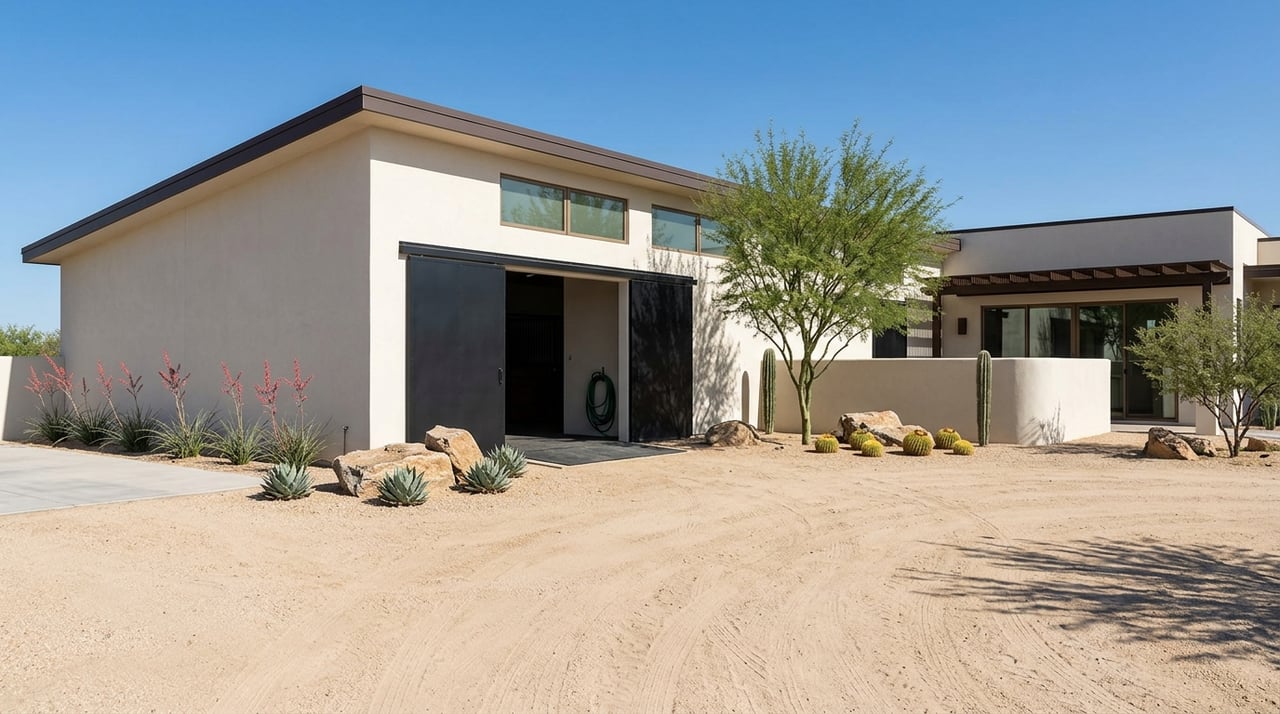
Instead of relying on broad phrases, explain what the property offers in plain language. That might include trail adjacency, open riding access nearby, fenced areas, turnout space, detached barns or shelters, wash awareness, or the way the home and land work together.
Buyers want to picture daily life there. A stronger listing helps them understand both the home and the land without making assumptions.
Explain what is included
Horse setups vary widely from one property to the next. Your listing packet should include a plain-English explanation of what is and is not included in the sale, especially where fencing, shelters, tack areas, gates, or other improvements are concerned.
That clarity helps serious buyers compare properties more accurately. It also protects your listing from confusion later in the process.
Create a Digital Launch That Explains the Parcel
Most buyers begin online, and the first impression is often your most important one. Research cited in the report shows that 52% of buyers found the home they purchased online, while 81% rated listing photos as the most useful online feature.
For Cave Creek horse and acreage properties, that means your media package has to do more than make the house look good. It needs to explain the land clearly.
Use photos, floor plans, and virtual tools
Buyers consistently rank photos, detailed property information, floor plans, and virtual tours among the most useful online features. For a larger parcel, these assets help buyers understand how the home, outbuildings, and land fit together.
That is especially helpful for relocating or out-of-area buyers who may be seeing Cave Creek property types for the first time. The more complete your presentation, the stronger your online appeal.
Add aerials and drone imagery carefully
Aerial imagery can be especially valuable for acreage listings because it helps show parcel shape, access points, setbacks, fencing, surrounding open space, and nearby trails. It can also help buyers understand how improvements sit on the land.
If drone media is part of your strategy, the FAA requires commercial drone operators under Part 107 to hold a Remote Pilot Certificate. It is also smart to confirm insurance and usage rights with the media vendor before launch.
Keep dusk marketing true to Cave Creek
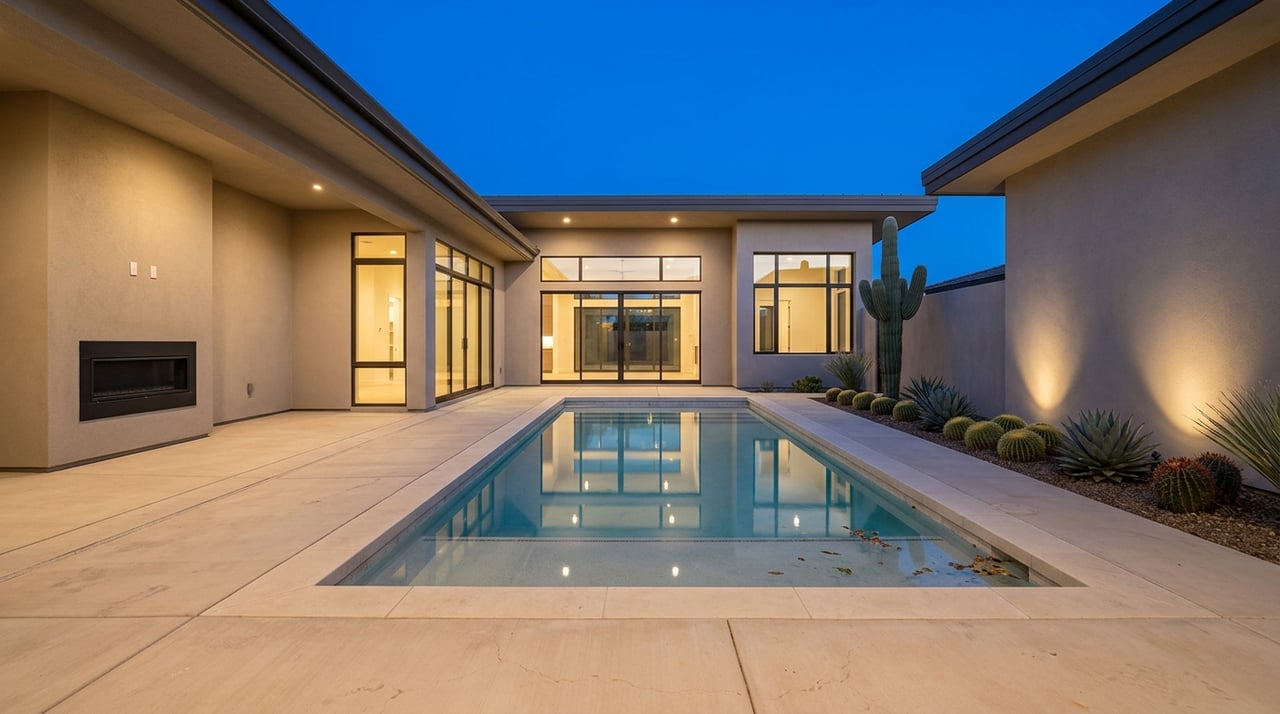
Cave Creek places real importance on preserving its dark night sky through restricted outdoor lighting. If your property includes outdoor living areas that shine at dusk, the goal should be polished and inviting, not overly bright or artificial.
That approach feels more authentic to the area. It also aligns the visual story with the property’s setting.
Plan Showings for Safety and Flow
A great acreage showing should feel easy, clear, and well managed. That usually takes more planning than a typical residential showing.
The Town of Cave Creek notes that many properties rely on rural or private roads, that roads and washes may become impassable during extreme weather, and that drivers must yield to horses and other livestock. Those are not small details when buyers are arriving for a tour.
Prepare the route and arrival plan
Before each showing, make sure directions are clear and current. If the property has gates, private roads, or special parking needs, those instructions should be shared in advance.
For horse properties, trailer turnaround and safe parking may matter too. A smooth arrival sets the tone for the entire visit.
Make it easy to tour the land
Walking the parcel is often part of the showing experience, but it should be done thoughtfully. Buyers should be able to move safely through gates, driveways, and outdoor areas without confusion.
A well-prepared showing helps buyers focus on the value of the property instead of the logistics. That can make a big difference in how they remember the home.
What a Strong Listing Packet Should Include
For Cave Creek horse and acreage homes, a solid listing packet can be one of your best selling tools. It gives buyers the practical information they want and supports the premium presentation your property deserves.
At minimum, consider including:
- Zoning summary
- Parcel map
- Aerial overview
- Water source details
- Septic or onsite wastewater status
- Floodplain or wash check information
- Trail adjacency or easement notes
- Plain-English summary of horse-related improvements
- Floor plan
- Detailed feature sheet
This kind of preparation supports transparency and helps your home stand out for the right reasons. It also reflects the level of care buyers expect in a higher-end Cave Creek sale.
If you are preparing to sell a horse property or acreage home in Cave Creek, the right strategy starts well before the sign goes in the ground. With accurate property details, disciplined pricing, polished marketing, and a showing plan built for rural living, you can present your home with confidence and reduce avoidable friction along the way. For a white-glove, locally grounded approach to your sale, request a private consultation with Desert Living AZ.
FAQs
What should you verify before listing a Cave Creek horse property?
- You should confirm zoning, contiguous acreage, parcel details, easements, trail proximity, water source, septic status, and any floodplain or wash exposure before marketing the property.
How do horse rights work for Cave Creek acreage properties?
- The Town of Cave Creek says horse and livestock rights apply in Desert Rural zones on at least two contiguous acres.
Why does pricing matter so much for Cave Creek acreage homes?
- Cave Creek remains a high-price market, but public trackers also show slower marketing times and a median sale-to-list ratio below 1.0, so buyers tend to respond better to disciplined pricing backed by a clear feature story.
What marketing materials help sell a Cave Creek horse property?
- Strong listing materials often include professional photos, detailed property information, floor plans, virtual tours, aerial imagery, a parcel map, and a clear summary of horse and land features.
What should buyers know about water and septic for Cave Creek acreage listings?
- Some properties may have town water, while some isolated areas may use private wells, and many acreage homes also rely on onsite wastewater systems, so those details should be documented early.
Why do showings need extra planning for Cave Creek rural properties?
- Many properties use rural or private roads, some areas can be affected by weather or washes, and safe parking, gate access, and site movement all need to be planned before buyers arrive.