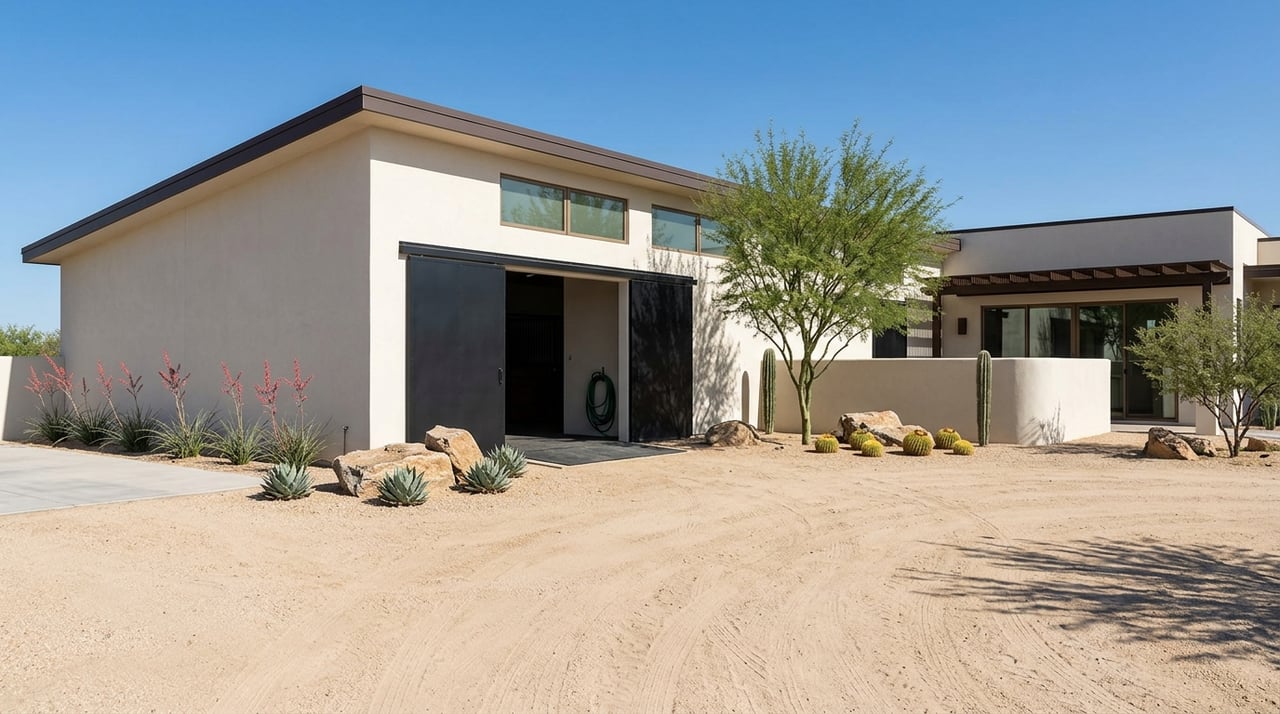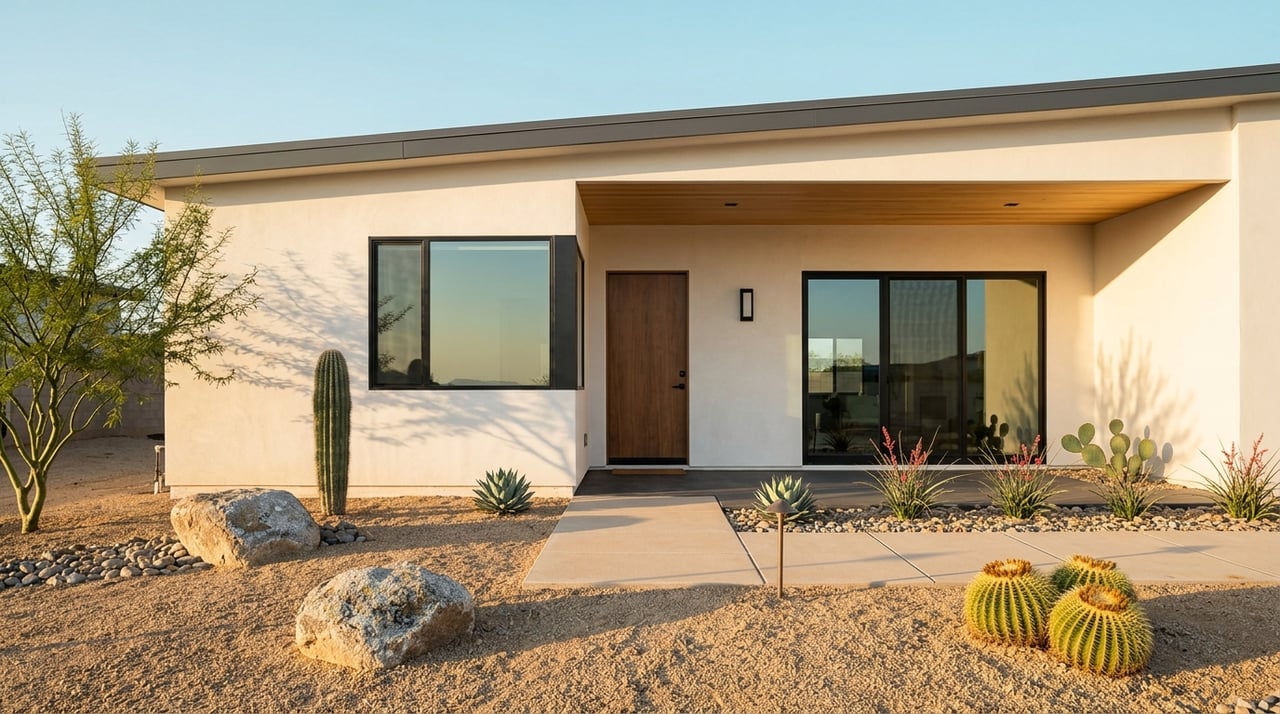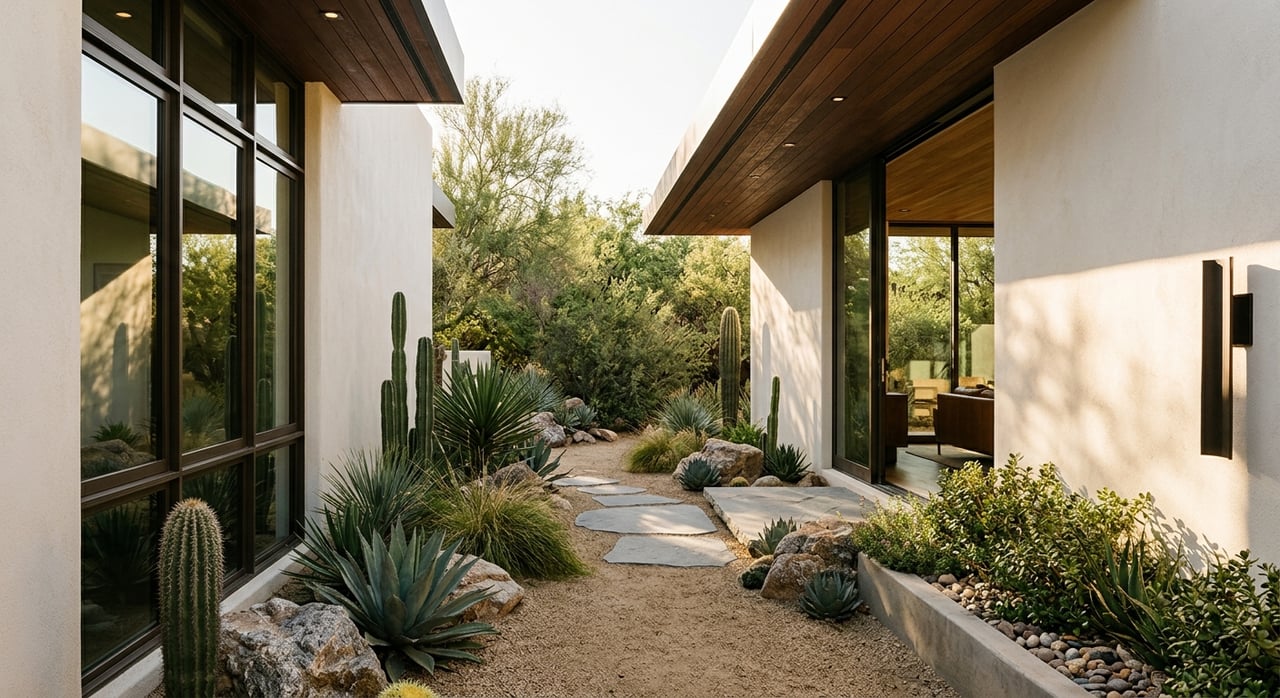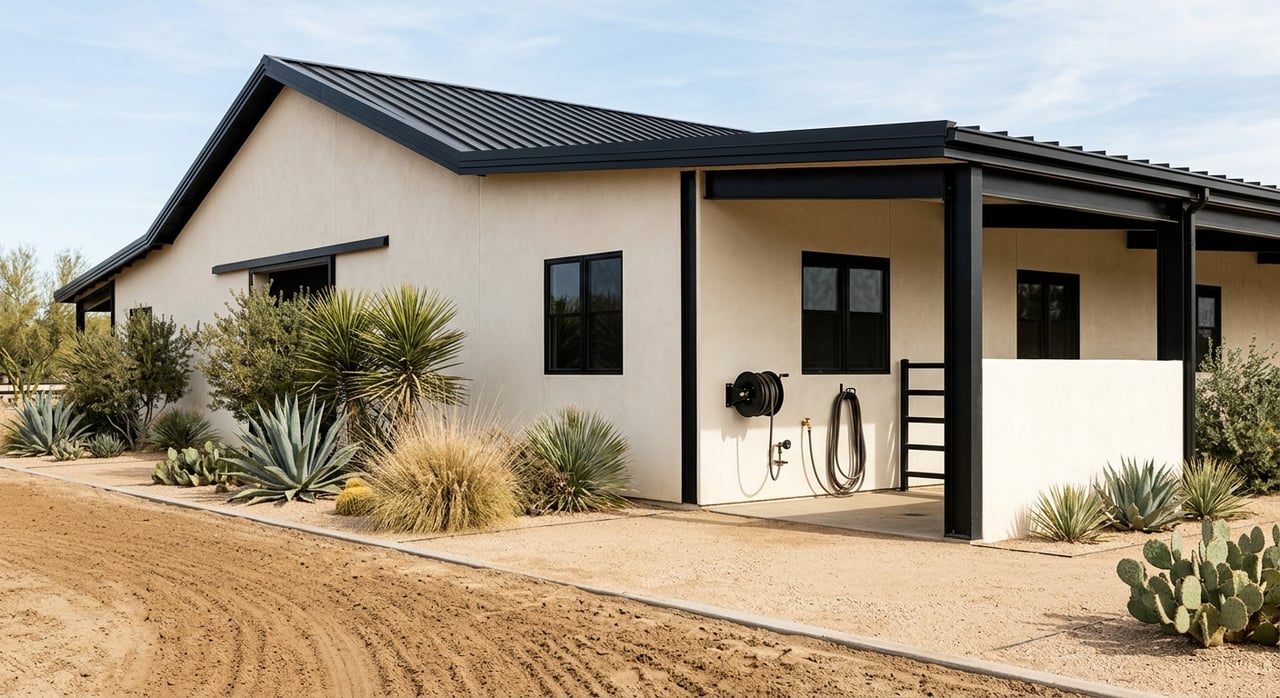
If you are shopping for acreage or horse property in New River, the view is only part of the story. A parcel can look ideal at first glance, but washes, slope, water access, septic, and zoning details can shape how you actually use the land. When you know what to evaluate before you buy, you can make a more confident decision and avoid expensive surprises later. Let’s dive in.
Start With the Land Itself
In New River, land is more than open space. Maricopa County describes the area as a rural landscape shaped by washes, hillsides, open space, and trail corridors. That means the usefulness of a parcel often depends on how the ground lays out, not just how many acres are on paper.
Acreage can feel generous, but not every part of the lot may be equally usable. Slope, drainage paths, and natural terrain can affect where you place a home, barn, arena, turnout, driveway, or trailer access. A parcel with strong views may also come with building limitations tied to hillsides or runoff patterns.
Check Slope and Layout Early
When you walk a property, pay attention to how the land moves. Flat, accessible areas are usually easier to use for horse setups, parking, and daily circulation. Steeper sections may still add value and privacy, but they can reduce the space that works well for improvements.
Think beyond the house pad. If you want room for corrals, riding space, equipment storage, or a detached barn, the layout needs to support those uses in a practical way. A beautiful parcel is most valuable when the land matches your day-to-day goals.
Use Soil Data as a First Screen
The NRCS Web Soil Survey can help with parcel-level soil screening. It is useful for early research, but NRCS says it should be treated as a planning tool rather than a final answer on buildability. Onsite investigation may still be needed for engineering and conservation decisions.
That matters in New River because soil conditions can affect drainage, grading, and future improvements. If you are considering major site work, it helps to treat online mapping as a starting point, not the finish line.
Evaluate Washes and Flood Risk
One of the biggest acreage issues in New River is drainage. County guidance says washes and drainage easements should remain open, and owners should not block or divert natural flow without approval. Walls and fences also should not cross washes.
This is important because a parcel can have a scenic desert wash and still present real placement limits. If a wash cuts through the lot, you need to understand how it affects access, fencing, barn placement, and usable horse areas.
Floodplain Maps Are Only Part of the Picture
Even if a property is outside a mapped floodplain, flood hazards can still exist. Maricopa County notes that lenders use FEMA maps to determine floodplain status, and new habitable construction in a floodplain must be built above base flood elevation.
For buyers, the practical takeaway is simple: do not stop at the listing description. Review whether the parcel is crossed by a wash, drainage easement, or floodplain area, and compare that to where you want improvements to go.
Ask These Drainage Questions
Before you move forward, make sure you can answer:
- Is there a wash crossing the parcel?
- Are there drainage easements shown on the plat?
- Where can driveways, walls, and fences legally go?
- Does the natural flow pattern limit arena or barn placement?
- Could runoff affect access during storms?
Understand Water Before You Fall in Love
Water is a major part of evaluating acreage in New River. Maricopa County says the planning area primarily relies on private wells or hauled water, with Anthem as an exception because it has CAP-based service. The county also notes a water-hauling fill station that serves rural residents in Upper New River, New River, and Desert Hills.
In other words, your water source is not a minor detail. It is a core part of how the property functions every day.
Know the Current Water Source
Ask what serves the property today. The answer may be a private well, a shared well, hauled water, or a water company connection. Each option comes with different practical and legal questions.
Maricopa County planning materials also note that water availability has been one of the top issues identified by residents in the area. The same plan shows declining water levels in some index wells over time, which makes water due diligence especially important for rural buyers.
If There Is a Private Well
Arizona Department of Water Resources regulates groundwater wells statewide. Before drilling a new well, owners must file a Notice of Intent to Drill. If the well will serve domestic use on a parcel of 5 acres or less, the county or local health authority must review the application first.
If a well already exists, ask for available records and recent testing information. Arizona Department of Health Services advises private well owners to test for bacteria and nitrates yearly and to test for contaminants like arsenic, fluoride, and uranium on a recurring schedule. ADHS also recommends testing after flooding or other disturbances near the well.
If There Is a Shared Well
Shared wells deserve extra review. Maricopa County says shared-well agreements are private contracts, and county staff cannot review or comment on the legal documents. That means ownership terms, access rights, maintenance responsibilities, and usage rules need to be clearly documented.
For buyers, this is less about the idea of a shared well and more about the paperwork behind it. You want the rights and obligations to be clean, understandable, and usable in real life.
Review Septic and Utility Details
Many New River acreage properties rely on onsite wastewater systems. That makes septic review just as important as checking the house, fencing, or horse setup. A rural property can feel turnkey and still need careful utility verification.
Maricopa County requires a qualified septic inspection within six months before transfer of ownership. After closing, the buyer must file the transfer notice. If you are buying resale acreage, make sure that step is part of your transaction planning.
Watch Well and Septic Separation
State law requires a 100-foot separation between wells and septic systems unless authorized otherwise. That spacing matters if you are evaluating an existing setup or thinking about future improvements.
If you plan to add structures or rework the site, it helps to understand how the current well and septic locations affect your options. The easiest property to own is often the one with fewer utility conflicts.
Future Split or Redevelopment Questions
If part of your strategy includes a future split, redevelopment, or long-term land planning, county rules matter. Maricopa County requires a geologic report for onsite wastewater systems in subdivision or redevelopment scenarios. The county also says dry-lot subdivisions with individual well-and-septic setups are no longer supported, and septic subdivisions must meet a minimum net lot size of 35,000 square feet.
That does not mean every buyer wants to subdivide. It does mean you should confirm whether your long-term plan fits county requirements before you assume the land offers future flexibility.
Confirm Horse Use and Zoning Fit
A property may look horse-ready but still need permit review. Maricopa County allows agricultural and equestrian uses in rural zoning districts, but some activities are not treated as simple accessory uses. Certain uses may require special use approval, including arenas for events, mounted cowboy shooting, boarding six or more horses, riding lessons, and horse rentals or staged trail rides.
This is where buyers can get tripped up. Personal horsekeeping and commercial-style equestrian activity are not always treated the same way.
Check Basic Horsekeeping Standards
On parcels zoned residential, corral space for unattended horses must be in the rear yard, set back 40 feet from property lines, and provide 1,200 square feet per horse. These rules can affect how many horses the site can reasonably support and where the setup can be located.
If the current improvements do not match your intended use, review the property with those standards in mind. A large lot does not automatically mean unlimited horse flexibility.
Fences, Walls, and Arenas May Need Review
County guidance says fences or walls over 6 feet, retaining walls over 18 inches, corrals, and some fence-as-primary-use situations can require zoning clearance. Some taller walls also need sealed plans from an Arizona-registered professional.
Dust control rules may apply too. Maricopa County says these rules can apply to horse corrals, horse arenas, livestock pens, feed lots, animal-exercise areas, and some unpaved areas used for parking or vehicle movement.
Think About Long-Term Fit
Buying acreage is not just about what the property is today. It is also about how the surrounding area may evolve. Maricopa County says area plans work with the comprehensive plan to provide more specific guidance related to local topography and conditions.
In New River, that matters because the Daisy Mountain/New River Area Plan was adopted after major local changes, including Anthem and the widening of Carefree Highway. County guidance says the plan aims to preserve rural character while directing development.
Look Beyond the Parcel Lines
The separate Carefree Highway Scenic Corridor directive favors local, neighborhood-serving commercial uses rather than continuous strip development. That may influence how nearby corridors change over time.
Maricopa County also released the public-review draft of Framework 2040 in January 2026 to guide county-level decisions on future growth, development, and preservation through 2040. For a buyer, the key question is whether the parcel’s current horse-friendly feel lines up with long-term county policies on growth, drainage, open space, and water resources.
A Smart Buyer Checklist for New River Acreage
If you want a simple way to pressure-test a property, start here:
- Verify whether the parcel includes a wash, drainage easement, or floodplain area.
- Identify the current water source: private well, shared well, hauled water, or water company.
- Review available well, water-testing, and septic records.
- Confirm the zoning district and whether your intended horse use is allowed as an accessory use.
- Check corral placement, setback, and space standards if horses will be kept on site.
- Ask whether planned fences, walls, grading, or arenas require zoning or permit review.
- Consider whether future subdivision or redevelopment goals fit county wastewater and lot-size rules.
- Review area-plan and corridor guidance that may affect nearby land use and traffic.
Acreage and horse property can offer privacy, flexibility, and the desert lifestyle many buyers want in New River. The right property is not just attractive, though. It works on paper, on the ground, and for the way you plan to live.
When you want experienced guidance on evaluating land, horse setups, and long-term fit in the North Valley, Desert Living AZ offers the kind of senior-led, high-touch support that helps you buy with clarity.
FAQs
What should you check first when buying acreage in New River?
- Start with terrain, drainage, water source, septic status, and zoning, because those factors affect how usable the land really is.
How do washes affect horse property in New River?
- Washes can limit where you place fences, walls, driveways, barns, and arenas, and county guidance says natural drainage paths should remain open.
What water sources are common for New River acreage properties?
- Many properties rely on private wells, shared wells, or hauled water, while some areas may have a water company connection.
What septic rule matters during a New River resale transaction?
- Maricopa County requires a qualified septic inspection within six months before transfer of ownership, and the buyer must file the transfer notice after closing.
Can you use any New River horse property for boarding or riding lessons?
- Not always, because some equestrian activities may require special use approval even when horsekeeping is otherwise allowed.
Why do future county plans matter when buying land in New River?
- Area plans and long-range planning can shape future development, traffic patterns, open space decisions, and how rural character is managed over time.